
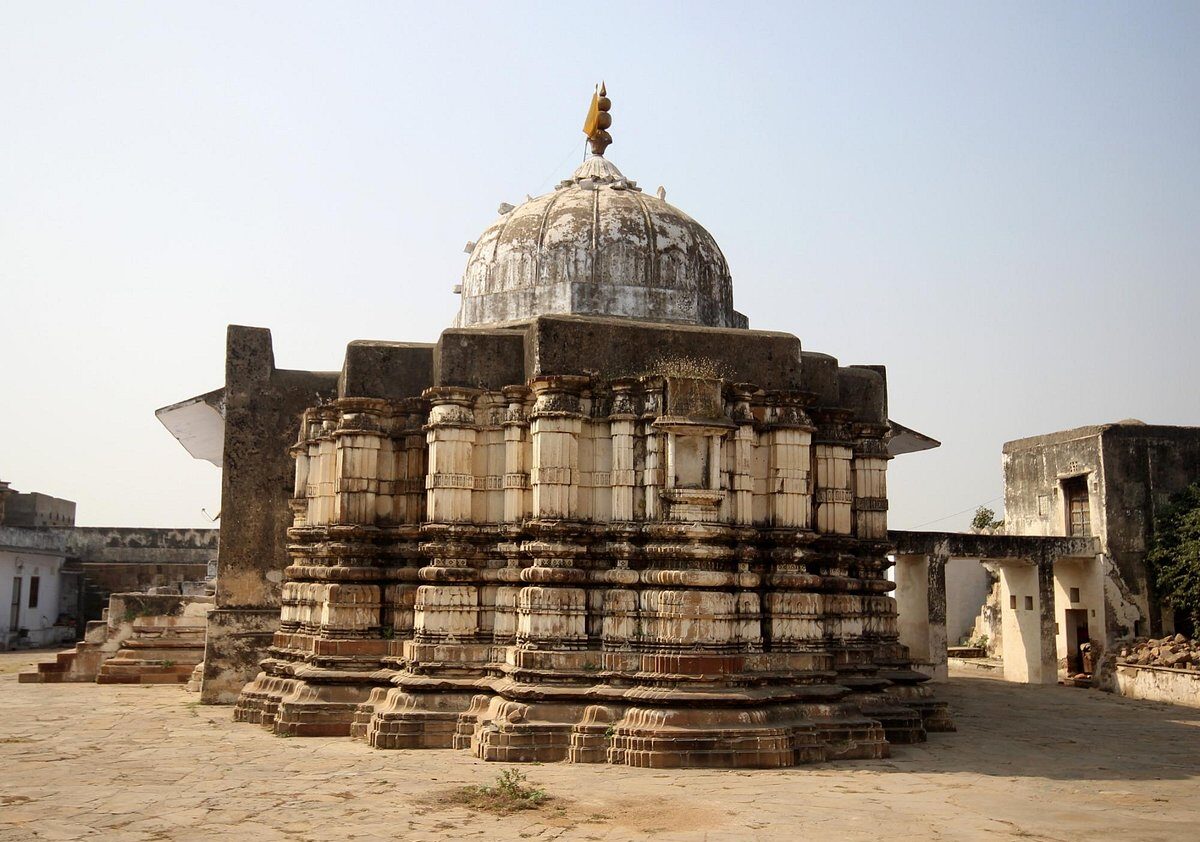

Varaha Temple Pushkar:
A Journey into Mythology and Devotion
When travelers think of the holy town of Pushkar, their minds immediately wander to the sacred lake or the world-famous Brahma Temple. Yet, tucked away in the vibrant, winding streets lies one of the town’s oldest and most deeply revered spiritual gems: the Varaha Temple.
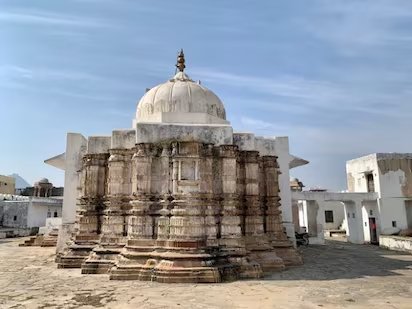
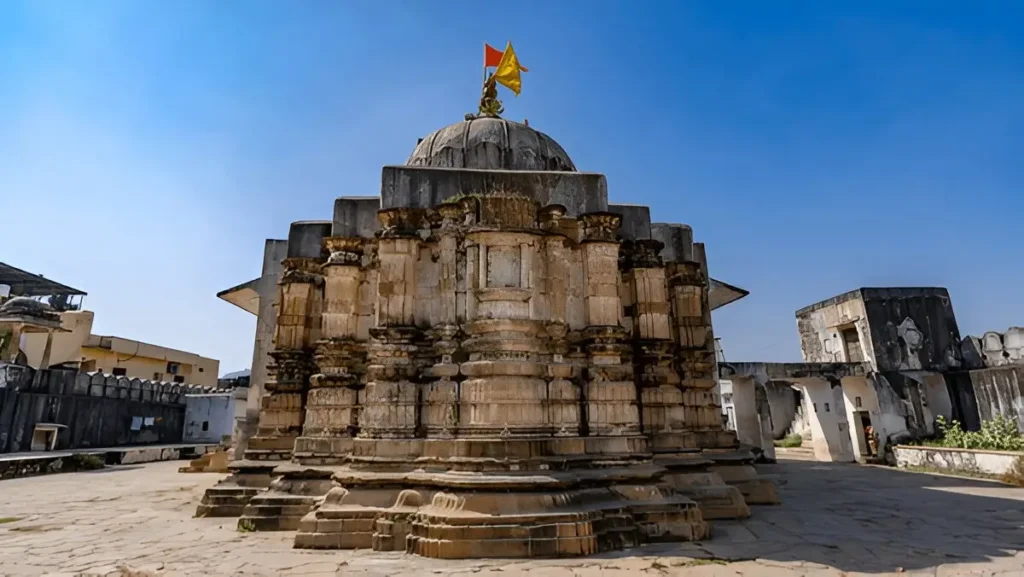
Dedicated to the third incarnation of Lord Vishnu, this ancient shrine offers a serene escape from the bustling ghats. It is a place where cosmic mythology, fierce architectural resilience, and quiet devotion come together, giving visitors a profound glimpse into India’s rich spiritual heritage.
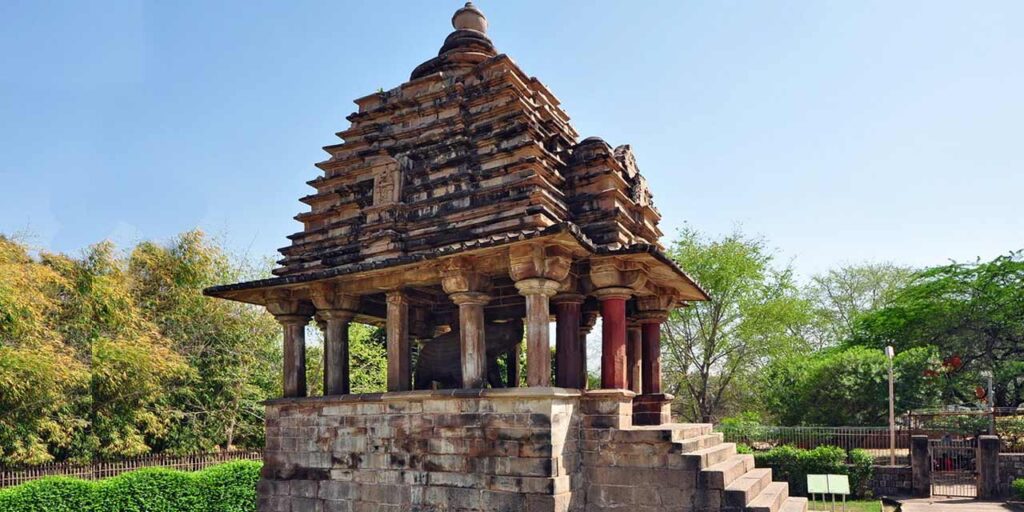
The Legend of the Boar and the Cosmic Ocean
The mythological roots of the Varaha Temple read like a grand celestial epic. According to Hindu scriptures, a powerful demon named Hiranyaksha abducted Mother Earth (Bhudevi) and dragged her into the dark, chaotic depths of the cosmic ocean. To save her and restore balance to the universe, Lord Vishnu took the form of Varaha—a magnificent, mighty boar.
Following a fierce, world-shaking battle, Lord Varaha defeated the demon, gently lifted the Earth upon his tusks, and brought her back to the surface. Pushkar is believed to be one of the sacred lands blessed by Lord Vishnu immediately following this divine rescue. Today, the idol inside the sanctum—depicting a deity with a human body and a boar’s head—stands as a powerful symbol of protection, resilience, and the ultimate triumph of good over evil.
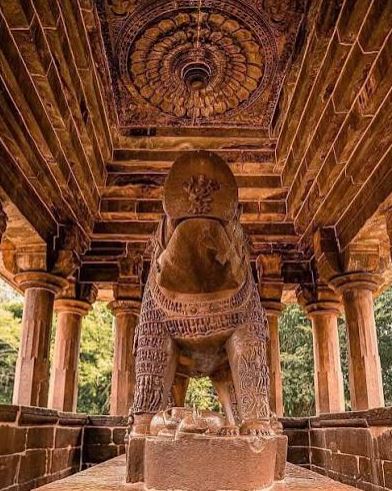
A History of Destruction and Resurrection
The temple’s physical history is just as dramatic as its mythology. Originally built in the 12th century by King Anaji Chauhan of the Chauhan dynasty, the shrine stood as a beacon of devotion for hundreds of years. However, during the Mughal era, particularly under the rule of Emperor Aurangzeb, the temple suffered severe destruction.
Despite the physical ruins, the faith of the local people never wavered. In the 18th century, the great Maharaja Sawai Jai Singh II of Jaipur—a passionate patron of Rajasthan’s sacred sites—stepped in to beautifully restore the temple to its former glory. Today, its intricately carved stone pillars, ornate ceilings, and traditional prayer hall (mandapa) stand not just as architectural marvels, but as a testament to a faith that refused to be erased.
Planning Your Visit: Essential Details
To help you seamlessly weave this stop into your itinerary, here is a quick breakdown of everything you need to know before you go.
| Key Detail | Visitor Information |
| Morning Hours | 6:00 AM to 12:00 PM |
| Evening Hours | 4:00 PM to 8:00 PM |
| Entry Fee | Free (Voluntary donations are welcome) |
| Best Season | October to March (For pleasant winter weather) |
| Peak Celebrations | Varaha Jayanti, Vaikuntha Ekadashi, and Kartik Purnima |
| Photography | Allowed in the outer courtyard; strictly forbidden inside the sanctum |
Pro-tip: Visiting during the early morning hours, around 6:30 AM, offers the most peaceful experience. You can catch the morning aarti and sit in the quiet courtyard before the midday crowds arrive.
Reaching the Varaha Temple
Because the temple is centrally located within Pushkar, finding it is incredibly straightforward.
By Air: The closest domestic airstrip is Kishangarh Airport (40 km), while Jaipur International Airport (150 km) offers the best global connectivity.
By Train: Book your tickets to Ajmer Junction, located just 15 km away. Ajmer is highly connected to major hubs like Delhi, Jaipur, Mumbai, and Ahmedabad.
The Final Stretch: From Ajmer station, you can easily catch a local Rajasthan Roadways bus, a shared cab, or a private auto-rickshaw for a scenic 30-minute ride over Snake Mountain into Pushkar.
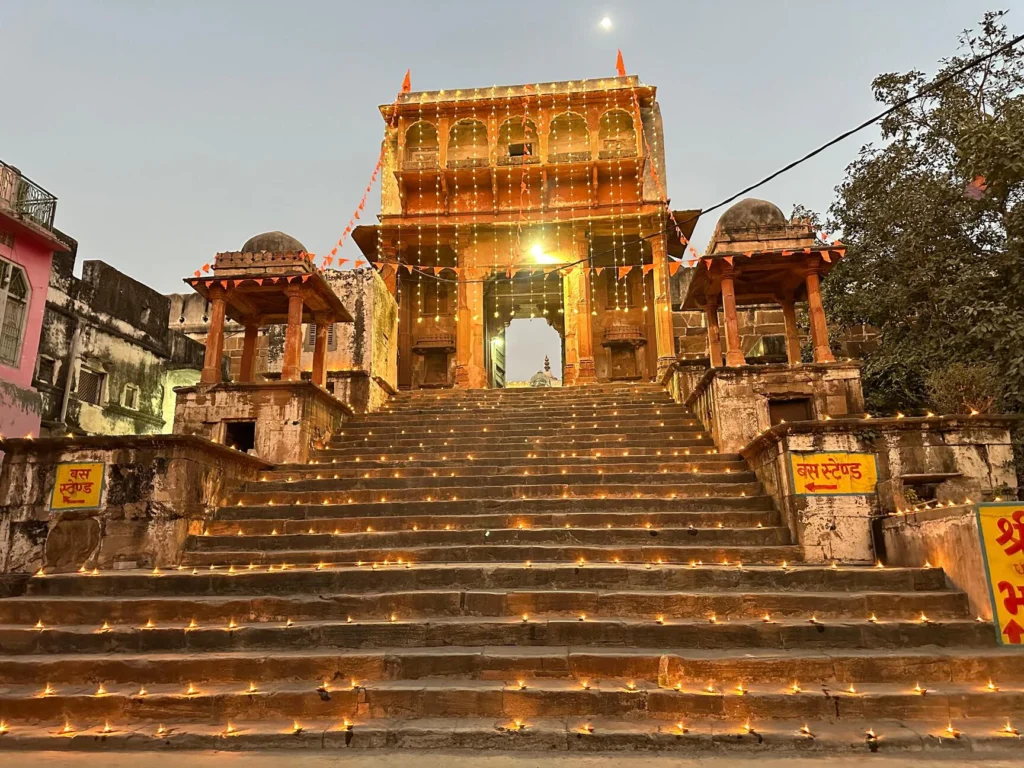
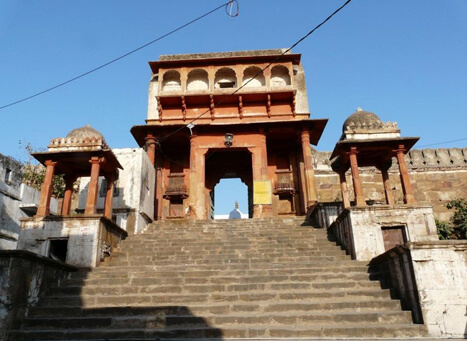
Local Transport: Once you are in Pushkar, skip the vehicles entirely. The town is wonderfully pedestrian-friendly, and a short, vibrant walk from Pushkar Lake will lead you right to the temple’s magnificent entrance gateway.
The Traditional Pilgrimage Circuit
If you want to experience Pushkar the way locals and devout pilgrims do, it is believed to bring immense spiritual merit to visit the town’s major temples in a specific order:
Begin with a purifying ritual bath at Pushkar Lake.
Walk to the world-famous Brahma Temple to honor the Creator.
Head down the street to the Varaha Temple to seek the protective blessings of Lord Vishnu.
Pay respects to Lord Shiva at the ancient Apteshwar Mahadev Temple.
End your day by catching the sunset from the hilltop Savitri Temple.
Essential Tips for Travelers
Dress Modestly: Out of respect for local customs, ensure your shoulders and knees are completely covered when entering the temple complex.
Shoe Etiquette: You will need to remove your footwear before crossing the threshold. Slip-on shoes or sandals will make your day much easier.
Embrace the Quiet: While the marketplace right outside the gates is loud and buzzing, the inner courtyard is a space for quiet reflection. Take ten minutes to sit on the cool stone floor, look at the carvings, and just breathe in the history.