
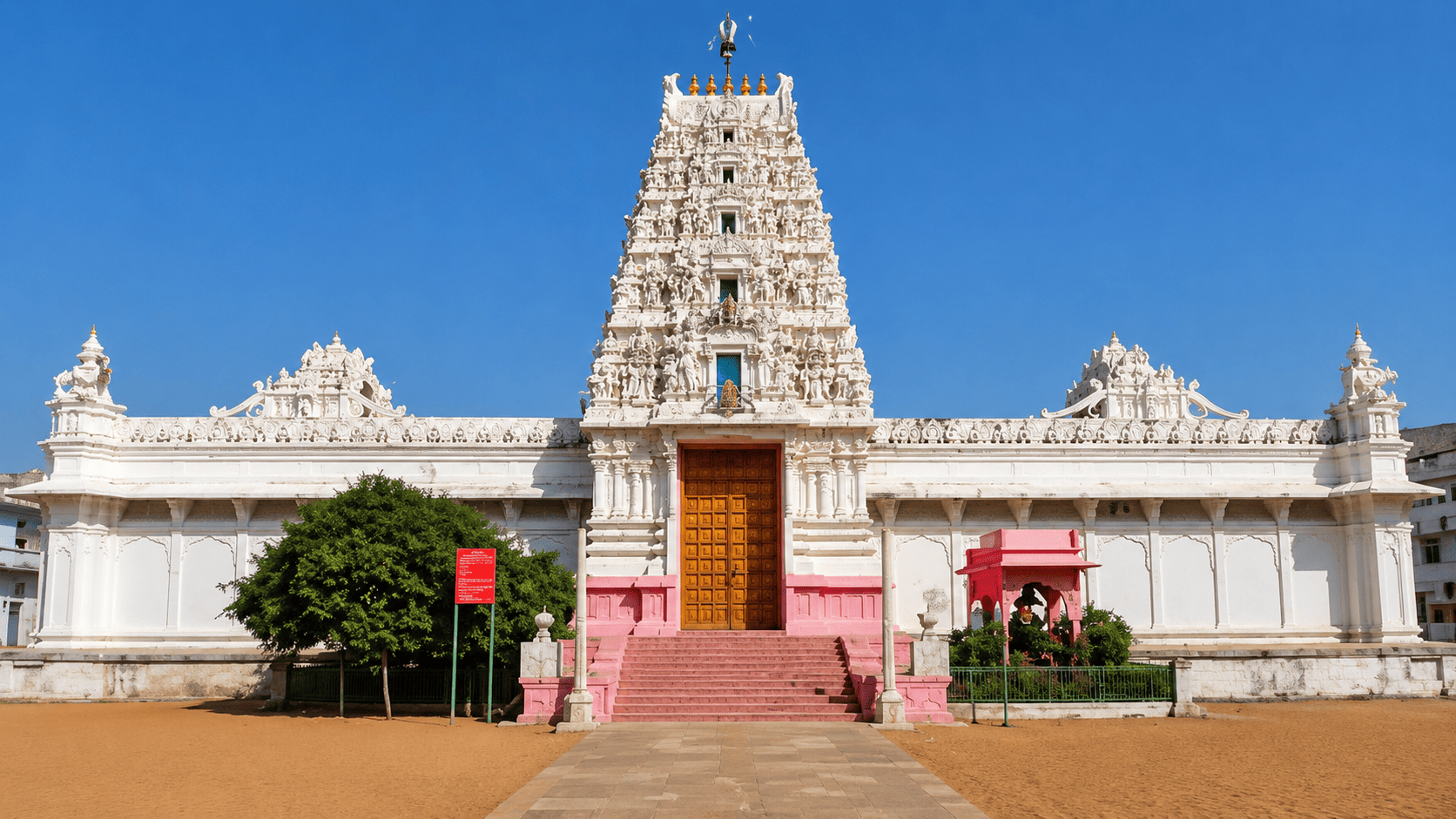

Sri Panchkund Shiva Temple, Pushkar – A Sacred Shrine Built by the Pandavas
Look, we all know why people flock to Pushkar. You’ve got the iconic, bustling Brahma Temple, the gorgeous chaos around the holy Pushkar Lake, and enough colorful markets to keep your camera busy for days. But if you’re anything like me, after a few hours of dodging aggressive tour guides and weaving through crowds, you start craving a little bit of actual peace.
That is exactly how I stumbled upon the Sri Panchkund Shiva Temple.
Tucked away on the eastern edge of town—maybe a quick 2 to 3-kilometer auto-rickshaw ride from the lake—this place is an absolute hidden gem. It’s ancient, it’s shrouded in epic Mahabharata mythology, and honestly, it felt like stepping into a completely different world. If you want to experience the spiritual side of Pushkar without the commercial noise, this is the spot you’ve been looking for.
The Legend: Built by the Pandavas Themselves?
Here is where things get fascinating. Local tradition says this isn’t just any old temple; it was actually founded by the five Pandava brothers—Yudhishthira, Bhima, Arjuna, Nakula, and Sahadeva—while they were roughing it out in exile.
As the story goes, the brothers needed water to perform their rituals and worship Lord Shiva. Instead of hunting for a well, each brother dug out their own sacred pond, creating the Panchkund (literally meaning “five ponds”). They set up a Shiva Lingam right next to the water, prayed for the strength to take down evil, and the rest is history.
Whether you’re a die-hard mythology buff or just appreciate a good story, standing by those ponds and realizing people have been finding solace here for generations gives you absolute chills.
Forget Grand Architecture—This Place Has Soul
If you’re expecting something massive like the grand temples of Udaipur or Jaipur, adjust your expectations right now. The Sri Panchkund Shiva Temple is incredibly simple. It’s built from weathered stone, features a modest courtyard, and houses a traditional Shiva Lingam in its main sanctum.
But its simplicity is exactly why it works. The real magic isn’t the architecture; it’s the setting. It’s framed by dramatic hills and wild, natural greenery. The air feels cooler here, the silence is heavy in the best way possible, and you can actually sit down on the stone floor to meditate or just think without someone stepping on your toes.
The Logistics: What You Need to Know Before You Go
Planning to make the trek? Here is the practical breakdown to save you some hassle:
When to go: The sweet spot is definitely October to March when Rajasthan actually cools down enough for you to breathe. If you want to see the temple at its absolute wildest and most energetic, aim for the holy month of Shravan (July–August) or Mahashivratri. Just know you won’t be getting that quiet isolation during festivals!
Time it right: Go early in the morning—around 6:00 AM if you can swing it. Watch the sunrise hit the surrounding hills while the temple priests start their morning prayers. It opens again in the evening from 4:00 PM to 8:00 PM.
The Cost: Absolutely free.
Getting there: It’s a 15 km drive from the Ajmer Junction railway station, or a 150 km trip from the Jaipur Airport. If you’re already in Pushkar, just flag down an auto-rickshaw or take a long, scenic walk if the weather is nice.
A Few "Friend-to-Friend" Travel Tips
Before you head out, keep a few things in mind so you don’t accidentally disrespect the locals:
Dress the part: Keep your shoulders and knees covered. It’s an active place of worship, not a beach resort.
Ditch the shoes: Like any holy site in India, your shoes stay at the entrance.
Put the camera down (sometimes): You can take photos around the gorgeous grounds, but keep the camera tucked away when you’re inside the inner sanctum. Trust me, some memories are better off not being viewed through a screen anyway.
Make a day of it: Because it’s so close to the main hub, you can easily knock out a morning visit here and then spend the rest of your afternoon exploring the Brahma Temple, checking out the Varaha Temple, or catching the sunset from the hilltop Savitri Temple.
The Sacred Panchkunds
One of the major attractions of the temple is the five sacred kunds.
According to local belief, these ponds were individually created by the Pandava brothers and have remained sacred for centuries.
Many devotees:
- Offer prayers near the kunds.
- Perform religious rituals.
- Meditate in the peaceful surroundings.
- Seek blessings before visiting other temples in Pushkar.
The kunds are considered symbols of purity and devotion.
Interesting Facts About Sri Panchkund Shiva Temple
- It is believed to have been built by the five Pandavas.
- The temple is dedicated to Lord Shiva.
- Located around 2–3 km from Pushkar Lake.
- The temple is famous for its five sacred kunds.
- It remains one of Pushkar’s lesser-known yet spiritually significant attractions.
- Pilgrims often combine a visit here with other major temples in Pushkar.
Frequently Asked Questions (FAQs)
Where is Sri Panchkund Shiva Temple located?
It is situated on the eastern edge of Pushkar, approximately 2–3 kilometers from Pushkar Lake in Rajasthan.
Why is Sri Panchkund Shiva Temple famous?
The temple is famous for its association with the five Pandavas, who are believed to have built it and created the five sacred kunds during their exile.
Is there an entry fee?
No, entry to the temple is free.
Which deity is worshipped here?
The temple is dedicated to Lord Shiva.
When is the best time to visit?
October to March offers pleasant weather, while Mahashivratri and Shravan Maas are ideal for experiencing special religious celebrations.
The Verdict
Pushkar has plenty of spots that check the box for “tourist attractions,” but the Sri Panchkund Shiva Temple checks the box for the soul. It’s a beautiful mix of history, myth, and total tranquility. Do yourself a favor: step off the beaten path, take the short ride out here, and just sit by the water for an hour. You won’t regret it.