
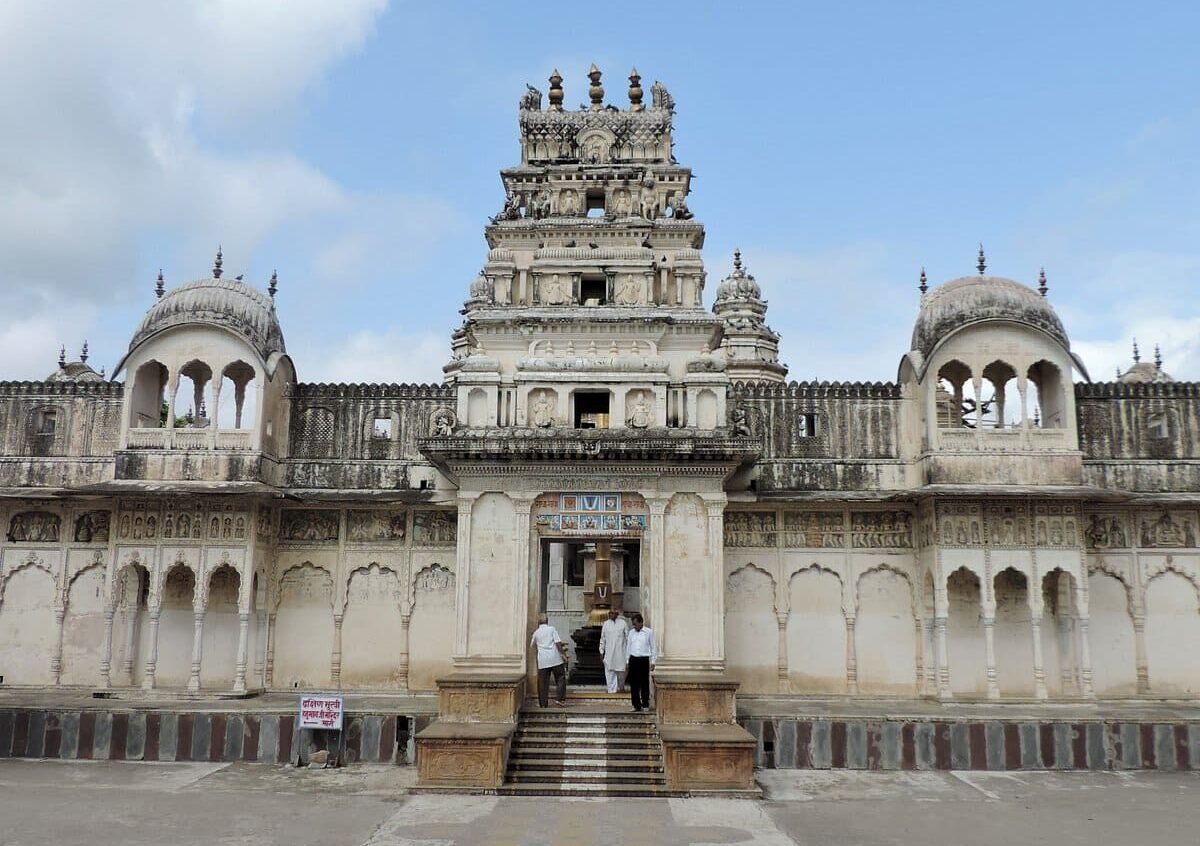

Rangji Temple Pushkar:
A Masterpiece of South Indian and Rajput Architecture
When you travel through Rajasthan, you quickly notice its iconic architectural style. Grand Rajput palaces, majestic sandstone forts, and elegant chhatris dominate the landscape. However, as you wander through the holy town of Pushkar, something completely unexpected catches your eye. A towering South Indian gateway rises dramatically against the desert sky, creating a striking contrast.
This is the Rangji Temple, also known as the Sri Ranganatha Temple. The temple is dedicated to Lord Ranganatha, a reclining form of Lord Vishnu. Built in the 19th century, it showcases a remarkable blend of Dravidian, Rajput, and Mughal architecture. As a result, it has become one of the most unique and visually stunning temples in North India.
The Vision of a Hyderabad Merchant
The Rangji Temple owes its existence to the wealthy merchant Seth Puran Mal Ganeriwal. Originally from Hyderabad (Sindh), he was a devoted follower of the Sri Vaishnavism tradition. During his travels, he admired the grandeur of the famous Sri Ranganathaswamy Temple in Srirangam, Tamil Nadu. Inspired by its beauty, he dreamed of bringing the same spiritual essence to Pushkar.
In 1844 AD, he commissioned the construction of the temple. To achieve his vision, he invited skilled artisans from South India to design the temple’s main structure. Meanwhile, experienced Rajasthani craftsmen built the courtyards, gateways, and surrounding architectural elements. Together, they created an extraordinary masterpiece that has served as an important Vaishnavite pilgrimage site for nearly two centuries.
An Architectural Fusion in the Desert
The true magic of the Rangji Temple lies in how seamlessly it blends three entirely different architectural dialects:
The Dravidian Gopuram: The defining feature of the temple is its massive, multi-tiered Gopuram (entrance tower). It is densely packed with hundreds of meticulously carved sculptures of deities, celestial dancers, and scenes from Hindu epics, mirroring the classic temple styles of Tamil Nadu.
The Golden Dhwaja Stambha: Rising nearly 50 feet into the air within the courtyard is a magnificent, gold-plated flagstaff (Dhwaja Stambha). In South Indian tradition, this serves as the energetic spine of the temple complex.
Rajput and Mughal Accents: Once you pass beneath the Southern gateway, the architecture subtly shifts. The expansive inner courtyards, high-arched walkways, and white marble pillars are classic examples of Royal Rajput and Mughal palace design, offering a beautiful sense of space and symmetry.
Inside the quiet inner sanctum lies the main deity, Lord Rangji, resting peacefully upon the coils of the cosmic serpent, Sheshnag. He is accompanied by smaller shrines dedicated to Goddess Lakshmi, Lord Narasimha, Rama, Sita, and Hanuman.
Planning Your Visit: Essential Details
| Detail | Visitor Information |
| Morning Timings | 6:00 AM to 12:00 PM |
| Evening Hours | 4:00 PM to 8:00 PM |
| Entry Fee | Absolutely free |
| When to Catch the Best Energy | Come during the evening aarti for a spiritually uplifting experience filled with traditional chanting. |
| The Grandest Festival | The annual Brahmotsavam, where the deities are paraded through Pushkar on ornate chariots. |
Reaching the Temple
The Rangji Temple sits right in the beating heart of Pushkar, making it incredibly easy to find.
By Air: Most travelers fly into Jaipur International Airport (150 km away) and take a direct 3-hour taxi ride. The smaller Kishangarh Airport is closer (40 km) but handles fewer commercial flights.
By Train: Hop on a train to Ajmer Junction (15 km away), which connects directly to major hubs like Delhi, Mumbai, and Ahmedabad. From Ajmer, you can easily hire an auto-rickshaw or jump on a local state bus to cruise over the scenic hills into Pushkar town.
Local Navigation: Because Pushkar is compact and highly pedestrian-friendly, you don’t need local cabs. The temple is just a short, vibrant walk from the main banks of Pushkar Lake.
Tips for a Smooth Visit
Leave the Camera in the Bag: While you are welcome to photograph the incredible exterior Gopuram and outer courtyards, photography is strictly prohibited inside the inner sanctum to preserve the sanctity of the prayers.
Dress the Part: As with all active places of worship in Pushkar, please dress modestly. Ensure your shoulders and knees are covered before entering.
Footwear Rules: You will need to take off your shoes at the entrance. If you are visiting during the hotter months, try to arrive early in the morning so the stone floors don’t burn your feet!